

The intersection of Omegle chat and online education can have both positive and negative implications. On one hand, Omegle chat can provide a unique and engaging platform for online education. Educators can use Omegle chat to connect with students in real-time, facilitating interactive discussions and fostering collaboration. This can enhance the learning experience and make online education more engaging and interactive.
Furthermore, Omegle chat can provide opportunities for students to connect with peers from different parts of the world, promoting cultural exchange and global awareness. Students can learn from each other’s perspectives and experiences, broadening their horizons beyond traditional classroom boundaries.
On the other hand, the use of Omegle chat in online education can also raise concerns regarding privacy and safety. Omegle chat is known for its anonymity, and this can create a breeding ground for inappropriate behavior and cyberbullying. Educators need to establish clear guidelines and monitor the chat sessions to ensure a safe and respectful learning environment.
Moreover, the unpredictable nature of Omegle chat can make it difficult to maintain a structured educational experience. The chat sessions may be prone to distractions and off-topic conversations, diverting students’ attention away from the intended learning objectives. This requires careful moderation and guidance from educators to ensure that the chat sessions remain focused and productive.
In conclusion, the intersection of Omegle chat and online education has the potential to enhance the learning experience through real-time interactions and global connections. However, educators need to be vigilant in ensuring a safe and structured environment to mitigate the risks associated with anonymity and distractions. Proper guidelines and moderation can help harness the benefits of Omegle chat while minimizing its drawbacks in the context of online education. 
The Rise of Omegle Chat: How It’s Impacting Online Education
In recent years, the popularity of Omegle chat has skyrocketed, revolutionizing the way people communicate online. This anonymous video chat platform connects individuals from different parts of the world, creating a global network of virtual interactions. While Omegle chat has been traditionally associated with casual conversations and meeting new people, its impact on online education is undeniable.
Enhancing Language Learning
One of the key areas where Omegle chat is making a difference is language learning. As students struggle to find native speakers to practice their language skills with, Omegle chat provides a solution. Through this platform, learners can connect with individuals who are fluent in the language they are studying, allowing them to engage in real-time conversations and improve their speaking abilities.
Moreover, Omegle chat offers a unique opportunity for language learners to familiarize themselves with different accents and dialects. This exposure to diverse linguistic nuances enhances their overall understanding and appreciation of the language they are learning.
Breaking Cultural Barriers
Omegle chat’s global reach has also played a significant role in breaking cultural barriers in online education. Students can connect with peers from different backgrounds and gain insights into various cultures, traditions, and perspectives. This cross-cultural exchange broadens their horizons, fosters tolerance, and promotes global citizenship.
Furthermore, Omegle chat enables educators to organize virtual exchange programs, facilitating intercultural learning experiences for their students. These programs allow students to collaborate with peers from different countries, engaging in joint projects, discussions, and knowledge sharing.
Supporting Collaborative Learning
Collaboration is an essential aspect of online education, and Omegle chat provides a platform for students to work together effectively. By connecting with classmates or study groups via Omegle chat, learners can engage in real-time discussions, exchange ideas, and collaborate on assignments.
The face-to-face interaction offered by Omegle chat fosters stronger bonds among students, leading to increased teamwork and mutual support. This sense of connection and camaraderie enhances the overall learning experience and encourages students to actively participate and contribute.
Addressing Concerns
Although Omegle chat presents numerous benefits for online education, certain concerns need to be addressed. Privacy and security issues have plagued the platform, with instances of inappropriate behavior and cyberbullying reported. Educators and platform administrators must implement strict guidelines and moderation to ensure a safe and respectful environment for all users.
Furthermore, it is crucial for users of Omegle chat to remain cautious and maintain their personal boundaries while interacting online. Educating students about online safety and proper digital etiquette is paramount in leveraging the potential of Omegle chat while mitigating the associated risks.
Conclusion
Omegle chat has emerged as a transformative tool in online education, revolutionizing the way students connect, learn, and collaborate. From enhancing language learning to breaking cultural barriers and supporting collaborative learning, its impact is far-reaching. However, it is essential to navigate the platform responsibly, ensuring a safe and inclusive environment for all users. As the significance of Omegle chat continues to grow, educators must adapt their strategies to harness its potential and maximize the benefits for their students.

Exploring the benefits and challenges of integrating Omegle chat into online education
Online education has become increasingly popular in recent years, providing flexible learning opportunities for students of all ages. With the advancement of technology, educators have been exploring various methods to enhance the online learning experience. One such method is integrating Omegle chat into online education platforms.
Omegle chat is a platform that allows individuals to connect with strangers and engage in anonymous conversations. By incorporating this chat feature into online education, educators aim to promote collaboration, interaction, and active participation among students. Let’s delve into the benefits and challenges of integrating Omegle chat into online education.
Benefits:
- Enhanced student engagement: By introducing Omegle chat, educators can create a dynamic and interactive learning environment. Students can interact with their peers, ask questions, and receive immediate feedback, fostering a sense of engagement and active participation.
- Improved communication skills: Engaging in conversations with strangers can enhance students’ communication skills. By discussing various topics and sharing perspectives, students can develop their ability to articulate thoughts and express themselves effectively.
- Global perspective: Through Omegle chat, students can connect with individuals from different parts of the world. This exposure to diverse cultures and perspectives can broaden their understanding and provide a global perspective on various subjects.
- Real-world application: Integrating Omegle chat into online education can bridge the gap between theoretical knowledge and real-world application. Students can engage in discussions related to their field of study, gaining insights from professionals and experts in the industry.
- Enhanced critical thinking: Engaging in conversations with strangers on Omegle chat can stimulate critical thinking skills. Students are exposed to varying opinions and viewpoints, challenging them to analyze and evaluate information critically.
Challenges:
While integrating Omegle chat into online education offers several benefits, it is important to address the potential challenges associated with this approach.
- Security concerns: Omegle chat is an anonymous platform, which raises security concerns. Educators need to implement strict security measures to ensure the safety and privacy of their students.
- Maintaining focus: Online conversations on Omegle chat can sometimes deviate from the intended educational purpose. Educators should establish guidelines and exercises to keep students focused on relevant and constructive discussions.
- Language barriers: Interacting with individuals from different parts of the world can pose language barriers. Educators should consider implementing translation tools or providing language support to ensure all students can participate effectively.
- Monitoring and moderation: Given the anonymous nature of Omegle chat, monitoring and moderation are crucial to maintain a safe and respectful learning environment. Educators should actively monitor conversations and intervene when necessary.
- Internet connectivity issues: Online education heavily relies on stable internet connections. It is important to address any connectivity issues that may arise to ensure uninterrupted participation in Omegle chat sessions.
Integrating Omegle chat into online education can provide numerous benefits, including enhanced student engagement, improved communication skills, and exposure to global perspectives. However, it is essential to address the challenges such as security concerns, maintaining focus, and language barriers. By implementing appropriate safeguards and guidelines, educators can harness the potential of Omegle chat to enrich the online learning experience.

Omegle Chat as a tool for enhancing student engagement and interaction in online education
Online education has witnessed a significant growth over the past few years, especially in the wake of the COVID-19 pandemic. With the shift towards virtual classrooms, educators are faced with the challenge of finding new and innovative ways to engage students and promote interaction. One tool that has gained popularity in this regard is Omegle Chat, a platform that allows individuals to connect and engage in anonymous conversations.
Omegle Chat presents a unique opportunity for educators to create an interactive and engaging learning environment for their students. By incorporating this tool into online education, instructors can encourage active participation, collaboration, and critical thinking among students, thus enhancing the overall learning experience.
One of the key advantages of using Omegle Chat is its ability to break down the barriers and limitations of traditional online communication. Unlike chat boxes within learning management systems, Omegle Chat provides a more dynamic and spontaneous platform for students to engage with their peers. This fosters a sense of community and belonging, helping students develop stronger connections and relationships with their classmates.
Furthermore, Omegle Chat promotes inclusivity and diversity in online education. By allowing students to engage in anonymous conversations, it creates a level playing field where everyone’s voice is heard and valued. This can be particularly beneficial for introverted or shy students who may feel more comfortable expressing themselves in an anonymous setting.
Another important aspect of Omegle Chat is its role in promoting active learning. In traditional online classrooms, students often passively consume information without actively participating in the learning process. However, with Omegle Chat, students are encouraged to actively engage in discussions, ask questions, and share their thoughts and opinions. This not only helps them build a deeper understanding of the subject matter but also cultivates critical thinking and analytical skills.
It is worth noting that while Omegle Chat offers great potential for enhancing student engagement and interaction, it is crucial to ensure its responsible and ethical use. Educators should establish clear guidelines and expectations for using the platform, emphasizing respect, empathy, and appropriate behavior. Additionally, privacy concerns should be addressed, and measures should be taken to protect students’ identities and personal information.
In conclusion, Omegle Chat can be a valuable tool for promoting student engagement and interaction in online education. By incorporating this platform into virtual classrooms, educators can create a dynamic and inclusive learning environment that fosters active participation and collaboration. However, it is important to use Omegle Chat responsibly and ethically, with a focus on student well-being and privacy. With the right implementation and guidance, Omegle Chat has the potential to revolutionize the online learning experience and empower students to become active learners.
| Advantages of Using Omegle Chat in Online Education |
|---|
| Enhanced student engagement: Omegle Chat encourages active participation and collaboration among students. |
| Promotes inclusivity and diversity: Anonymous conversations on Omegle Chat create an equal and inclusive learning environment. |
| Facilitates active learning: Students are encouraged to actively engage in discussions and critical thinking. |
| Develops stronger connections: Omegle Chat fosters a sense of community and belonging among students. |

Addressing concerns and ensuring student safety in Omegle chat-based online education
Online education has gained significant popularity over the years, especially during the ongoing pandemic. Platforms such as Omegle have provided students with a unique opportunity to connect with teachers and enhance their learning experience. However, there are concerns regarding student safety in chat-based online education that need to be addressed.
One of the main concerns is the potential for inappropriate content and interactions. As a responsible educational platform, it is crucial to take measures to ensure the safety of students. Implementing strict moderation policies and utilizing AI-driven content filtering systems can help prevent the exposure to harmful content and maintain a safe learning environment.
Another concern is the privacy of students. Omegle should prioritize protecting students’ personal information and ensure that it is not shared or misused. Strict data protection policies, secure login systems, and encryption technologies can help safeguard students’ privacy and build trust among the user community.
Additionally, it is essential to provide students with guidance on how to navigate the online learning environment safely. Educating students about online etiquettes, the importance of not sharing personal information, and how to report any concerning behavior can empower them to protect themselves and create a positive online learning experience.
- Regularly educating students and teachers about online safety.
- Conducting workshops and webinars on online privacy and security.
- Establishing a reporting system for students to report any issues or concerns.
- Collaborating with parents and guardians to create a safe online learning environment.
By addressing these concerns and implementing safety measures, Omegle can ensure a secure and productive online learning environment for students. It is crucial to prioritize student safety and continuously evaluate and enhance the platform’s safety protocols to stay ahead of emerging risks.
In conclusion, a chat-based platform like Omegle offers immense potential for online education. However, it is essential to address concerns and ensure student safety. By implementing strict moderation policies, safeguarding privacy, and providing guidance on online safety, we can create a secure and enriching learning experience for students.
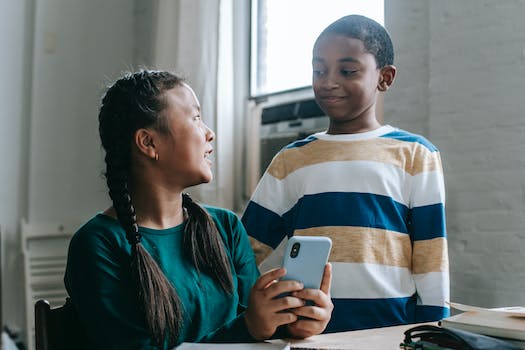
The future of Omegle chat in online education: Trends and possibilities
Online education has become increasingly popular in recent years, offering flexible learning opportunities to students around the world. One platform that has gained significant attention is Omegle chat, known for its random video chat feature. In this article, we will explore the potential trends and possibilities that Omegle chat holds for the future of online education.
The rise of virtual classrooms:
With the advancement of technology, virtual classrooms have become a viable alternative to traditional face-to-face learning. Omegle chat, with its video chat functionality, offers a unique opportunity for educators and students to interact in real-time. This virtual classroom environment allows for a dynamic exchange of ideas, fostering collaboration and enhancing the learning experience.
Enhanced language learning:
Omegle chat provides an excellent platform for language learners to practice their skills with native speakers from around the world. Through live video chat, students can engage in real-life conversations, improving their fluency and gaining cultural understanding. This immersive language learning experience can greatly enhance the effectiveness of online language courses.
Expanded global connections:
One of the significant advantages of Omegle chat in online education is its ability to connect students from different countries. This global interaction promotes cross-cultural awareness and understanding, allowing learners to gain diverse perspectives and expand their horizons. Through Omegle chat, students can network and collaborate with peers worldwide, creating a truly borderless learning experience.
Data-driven personalization:
Omegle chat has the potential to revolutionize online education through the utilization of data-driven personalization. By analyzing user interaction patterns, educators can tailor the learning experience to individual student needs. This personalized approach not only improves engagement but also maximizes learning outcomes. The ability to collect and analyze data within the Omegle chat platform opens up new possibilities for adaptive learning systems.
- Increased student engagement
- Real-time feedback and assessment
- Improved accessibility for differently-abled students
- Enhanced collaboration and teamwork
As with any technological advancement, however, there are challenges that need to be addressed. Privacy and security concerns, for instance, must be carefully managed to ensure a safe learning environment. Additionally, the digital divide may limit access to Omegle chat for students in low-income communities.
In conclusion, the future of Omegle chat in online education holds immense potential. From virtual classrooms to enhanced language learning, this platform offers unique opportunities for educators and students alike. By harnessing the power of data-driven personalization, Omegle chat can revolutionize online learning. As we move forward, it will be vital to address challenges and ensure equitable access to this promising tool. The possibilities are endless, and the future of education is evolving with Omegle chat.
Frequently Asked Questions
How does Omegle chat intersect with online education?
Omegle chat does not intersect with online education. Omegle is an anonymous chat platform where users can randomly connect with strangers, while online education refers to the use of technology to provide educational courses and programs over the internet.
Can Omegle chat be used for educational purposes?
No, Omegle chat is not designed for educational purposes. It is a platform primarily meant for casual and anonymous conversations, and it does not provide any specific educational features or tools.
Are there any educational alternatives to Omegle chat?
Yes, there are various educational alternatives to Omegle chat that are specifically designed for online learning. These platforms offer features such as video conferencing, interactive whiteboards, file sharing, and collaboration tools to facilitate effective teaching and learning.
Is it safe for students to use Omegle chat for educational purposes?
No, it is not recommended for students to use Omegle chat for educational purposes due to its anonymous nature. Omegle can expose students to potentially harmful and inappropriate content, and there is no guarantee of the authenticity or reliability of the people they may encounter.
How can I ensure a safe online learning environment for students?
To ensure a safe online learning environment, it is advisable to use dedicated educational platforms with robust security measures in place. These platforms often have privacy settings, user authentication, and content moderation to protect students from potential risks and provide a controlled online space for learning.


